

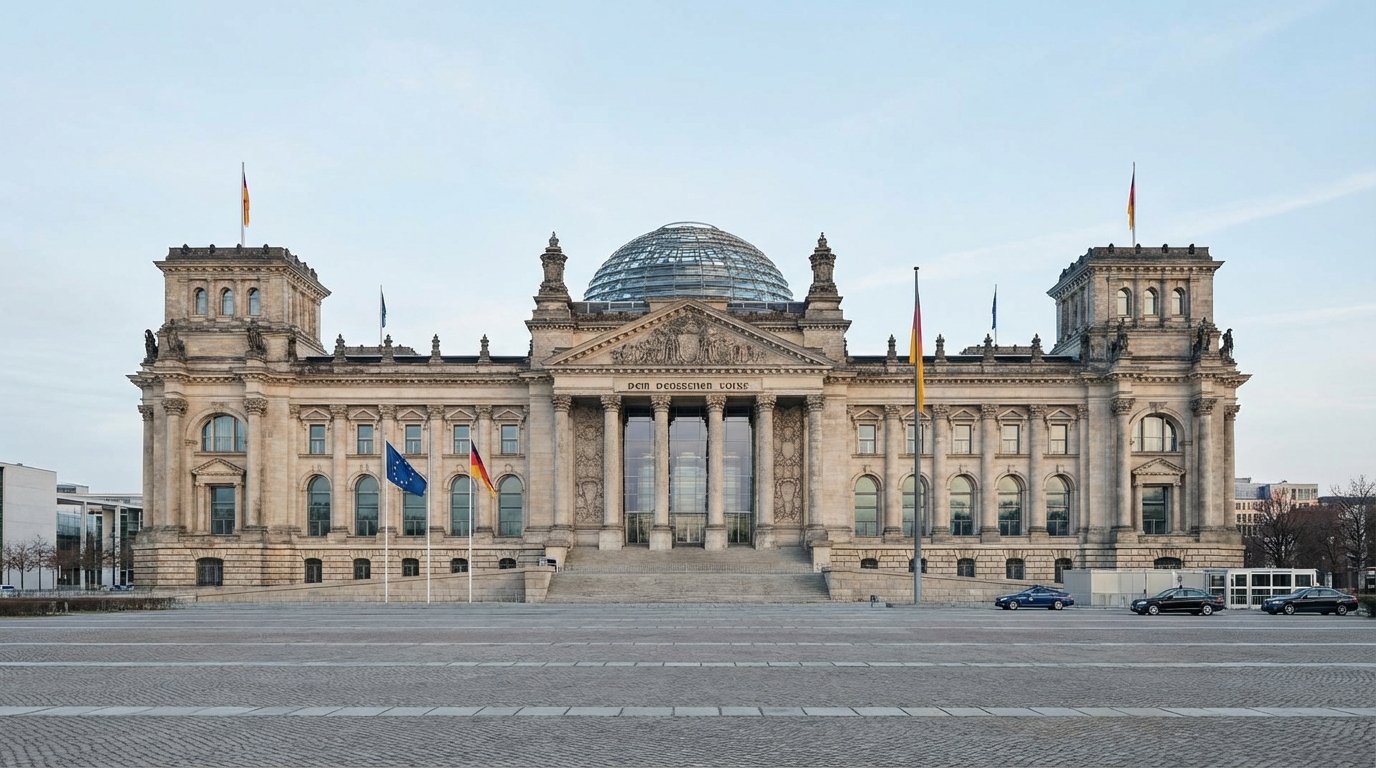
In 2026, Germany took significant steps on the migration and integration of foreign professionals. The federal government confirmed the implementation of the European asylum reform in German law, promoting greater regulatory clarity and strengthening legal certainty for skilled workers and their families.
The changes are part of a broader movement to modernize German immigration policies, focusing on predictability, efficiency, and strengthening the economy.
1. Implementation of the European asylum reform
The incorporation of the European asylum reform into German domestic law seeks to harmonize procedures and establish clearer rules for analyzing applications.
Among the main objectives are:
- Standardization of evaluation criteria
- Greater transparency in procedures
- Reduction of legal uncertainties
- Alignment with European Union guidelines
This update directly impacts foreign citizens who depend on administrative decisions in migratory matters.
2. Integration of qualified professionals
Germany continues to strengthen its strategy for attracting foreign talent, especially in sectors with a shortage of skilled labor.
The measures adopted in 2026 reinforce:
- Visa process simplification
- Greater connection between residence permits and the labor market
- Reduction of bureaucratic steps
- Stimulating international mobility of professionals
The goal is to make the regulatory environment more efficient for both workers and businesses.
3. Impacts for families and businesses
Legislative changes do not only affect the primary professional, but also:
- Family reunification
- Recognition of qualifications
- Dwell time security
- Long-term planning
Companies with international operations also need to keep up with changes to ensure regulatory compliance and contractual security.
4. The importance of legal support
Legislative changes can present strategic opportunities, but they require individualized technical analysis.
Each migratory situation has particularities that must be evaluated in light of current legislation, avoiding future risks and ensuring the correct conduct of procedures.
Conclusion
The implementation of the European asylum reform and the integration measures adopted in 2026 reflect Germany's effort to modernize its migration system and strengthen its position on the international stage.
In light of this dynamic context, specialized legal support is essential to ensure that professionals and companies operate with security, predictability, and legal compliance.